
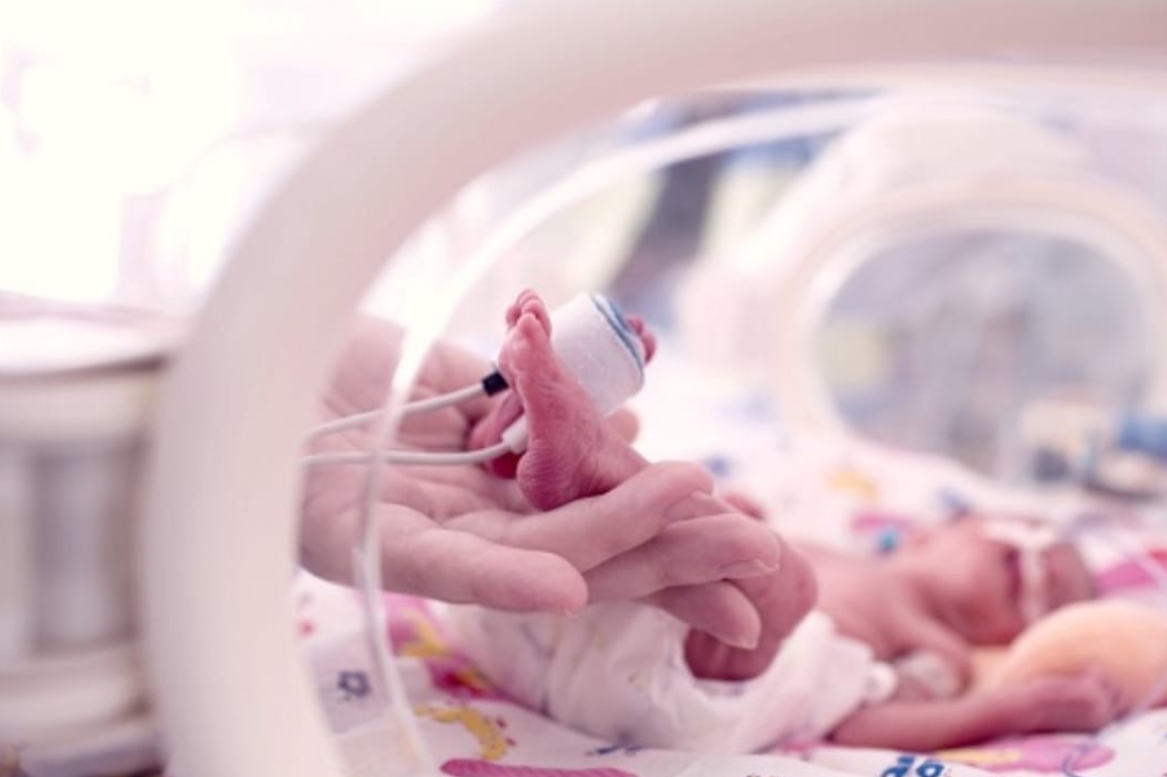
A baby born prematurely or with medical complications may need more specialized monitoring than a healthy full-term newborn. The first days and weeks of life are particularly important because a newborn's breathing, feeding, temperature regulation, immunity, and organ function are still adapting to life outside the womb.
A neonatologist for premature and high risk newborn babies focuses specifically on medical problems affecting newborns, including babies who are born early, have a low birth weight, experience breathing difficulties, develop jaundice, or need intensive monitoring after delivery.
Premature babies may require additional support because some body systems have not fully matured. The degree of care required depends considerably on gestational age, birth weight, medical condition, and complications around delivery.
A neonatologist may be involved in monitoring:
- Breathing and oxygen requirements
- Body temperature
- Blood glucose levels
- Feeding ability
- Weight gain
- Jaundice
- Signs of infection
- Neurological development
- Heart and circulation
- Growth after discharge
Feeding is one of the most important areas of premature newborn care. Some premature babies may initially find sucking and swallowing difficult. The medical team determines how nutrition can be provided safely while monitoring weight and hydration.
Temperature is another consideration. Premature and low-birth-weight babies may lose body heat more quickly than full-term babies. Appropriate clothing, room temperature, skin-to-skin care when medically suitable, and professional guidance can help parents maintain a safe environment.
Families in Keshav Nagar, Pune, Maharashtra caring for a premature or medically vulnerable newborn often have many questions after leaving the hospital. Parents may wonder how much the baby should feed, whether weight gain is adequate, how to recognize breathing problems, and when vaccinations should begin.
Follow-up with a neonatologist provides continuity between hospital care and home care. Growth parameters can be tracked, feeding difficulties addressed, and developmental progress reviewed according to the baby's corrected age when appropriate.
Dr. Yogesh Pawar supports families by evaluating newborn health and helping parents understand what requires routine observation and what needs medical attention. This can be especially valuable for parents adjusting to caring for a premature baby at home.
Urgent assessment is important if a newborn develops breathing difficulty, bluish discoloration, poor feeding, unusual sleepiness, repeated vomiting, seizures, fever, low body temperature, or noticeably reduced responsiveness.
Premature and high-risk newborn care does not end when the baby leaves the hospital. Planned follow-up during the early months helps monitor growth, nutrition, development, vaccination, and emerging medical needs as the baby continues to mature.
Keywords