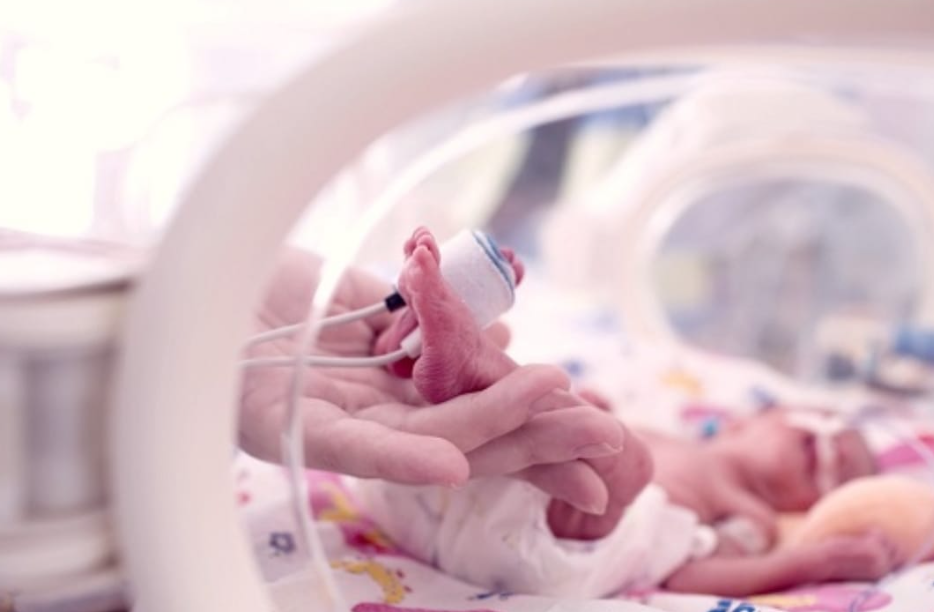
Newborn babies sleep frequently, feed at irregular intervals, and may display behaviours that are unfamiliar to first-time parents. While many changes are part of normal adaptation after birth, certain symptoms should not be dismissed as routine newborn behaviour.
Recognizing newborn warning signs requiring a neonatologist is particularly important because very young babies may not show illness in the same way as older children.
Feeding is one of the most useful indicators of newborn well-being. A baby who suddenly feeds much less than usual, repeatedly refuses feeds, or becomes too sleepy to feed effectively may require assessment. Repeated vomiting, particularly when accompanied by abdominal swelling or poor activity, also deserves attention.
Parents should watch for warning signs including:
- Difficulty breathing
- Persistent grunting or chest retractions
- Bluish lips or skin
- Poor or suddenly reduced feeding
- Unusual limpness or excessive sleepiness
- Fever or abnormally low body temperature
- Seizure-like movements
- Persistent vomiting
- Increasing yellow discoloration
- Reduced urine output
- Unusual or inconsolable crying
Jaundice is common among newborns, but its timing and severity matter. Yellow discoloration that increases significantly, appears very early, or is associated with poor feeding and excessive sleepiness should be medically assessed.
Breathing also deserves close observation. Newborn breathing patterns can sometimes appear irregular, but persistent rapid breathing, grunting, bluish discoloration, or visible effort while breathing requires prompt evaluation.
Families in Keshav Nagar, Pune, Maharashtra taking a newborn home after delivery should ideally receive clear guidance about feeding frequency, temperature, urine and stool patterns, jaundice, and follow-up visits. This is especially important for babies born prematurely, at a low birth weight, or after a complicated pregnancy or delivery.
Dr. Yogesh Pawar can assess newborn concerns in the context of birth history, gestational age, feeding pattern, weight, and clinical examination. A neonatologist's assessment may help determine whether a symptom can be monitored at home or needs additional investigation or hospital-based care.
Parents should also avoid waiting for a newborn to develop a 'high fever' before seeking help. Serious illness in newborns may sometimes present with poor feeding, reduced activity, temperature instability, or subtle changes rather than dramatic symptoms.
Keeping follow-up appointments after birth provides an opportunity to review weight gain, feeding, jaundice, and overall adaptation.
During the newborn period, parents know their baby's usual pattern better with each passing day. A significant unexplained change in feeding, responsiveness, breathing, colour, or activity deserves attention, particularly during the first weeks of life.
Keywords