
Fever is one of the most common reasons parents seek medical care for a child. It is often the body's response to an infection and, by itself, does not reveal how serious an illness is. A child's age, behaviour, associated symptoms, hydration, and duration of fever are often more informative than the temperature reading alone.
Knowing when fever in children needs a pediatrician can help parents avoid both unnecessary panic and delayed medical attention.
For an otherwise active older child with a short-duration fever and mild symptoms, observation and appropriate supportive care may sometimes be sufficient. However, younger babies and children showing concerning symptoms need more careful assessment.
Medical evaluation becomes particularly important when fever occurs with:
- Difficulty breathing or unusually rapid breathing
- Extreme drowsiness or poor responsiveness
- Persistent vomiting
- Seizures
- Severe headache or neck stiffness
- A concerning rash
- Significant abdominal pain
- Poor fluid intake
- Reduced urination
- Persistent crying or unusual irritability
- Fever that continues or repeatedly returns
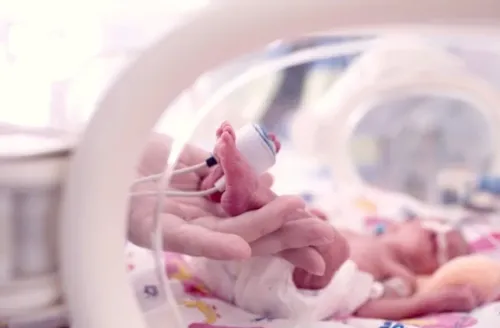
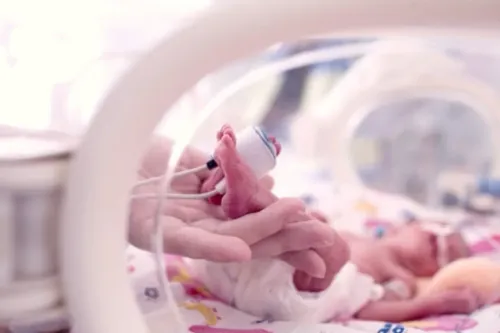
Fever in a very young infant deserves particular attention. Parents should not rely only on home remedies or medicines without appropriate medical guidance because infections in young babies can sometimes progress differently from those in older children.
Hydration is an important part of home observation. Children with fever may lose more fluid and may eat less than usual. Parents can monitor fluid intake, urine output, activity level, and alertness. A child who refuses fluids or urinates much less frequently may need evaluation.
Parents in Kharadi, Pune, Maharashtra may encounter seasonal viral infections, respiratory illnesses, and gastrointestinal infections that commonly cause fever. The underlying cause cannot reliably be identified from temperature alone. A pediatrician uses the child's history and examination to decide whether testing or specific treatment is necessary.
One common mistake is giving medicines simply to bring the temperature to a normal number. Fever medicines should be used according to appropriate pediatric guidance and weight-based dosing. Antibiotics should not be started without evaluation because many childhood fevers are caused by viral infections, against which antibiotics are ineffective.
Dr. Yogesh Pawar can evaluate the complete clinical picture, including fever duration, associated symptoms, examination findings, hydration, and the child's previous medical history.
Parents should seek urgent medical care if a child develops breathing difficulty, becomes difficult to wake, experiences a seizure, appears severely dehydrated, or deteriorates rapidly.
The most useful question is not simply, 'How high is the fever?' Instead, parents should consider how the child looks, behaves, drinks, breathes, and responds. These observations can help a pediatrician determine the appropriate next step.
Keywords